Classic
EVEREST THREE HIGH PASS TREK – 17 DAYS
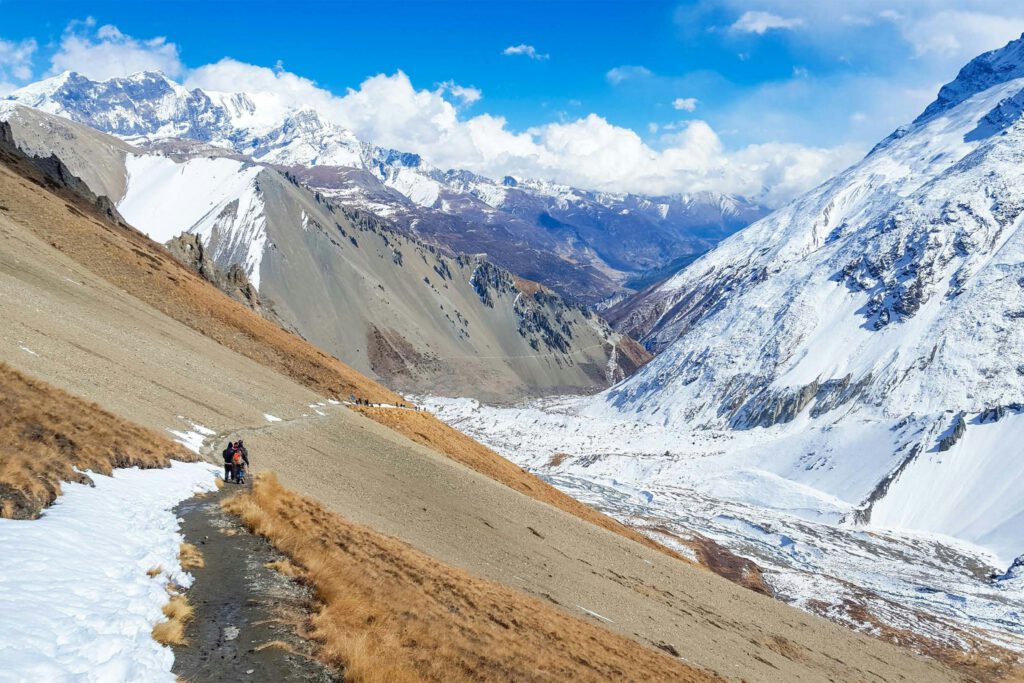
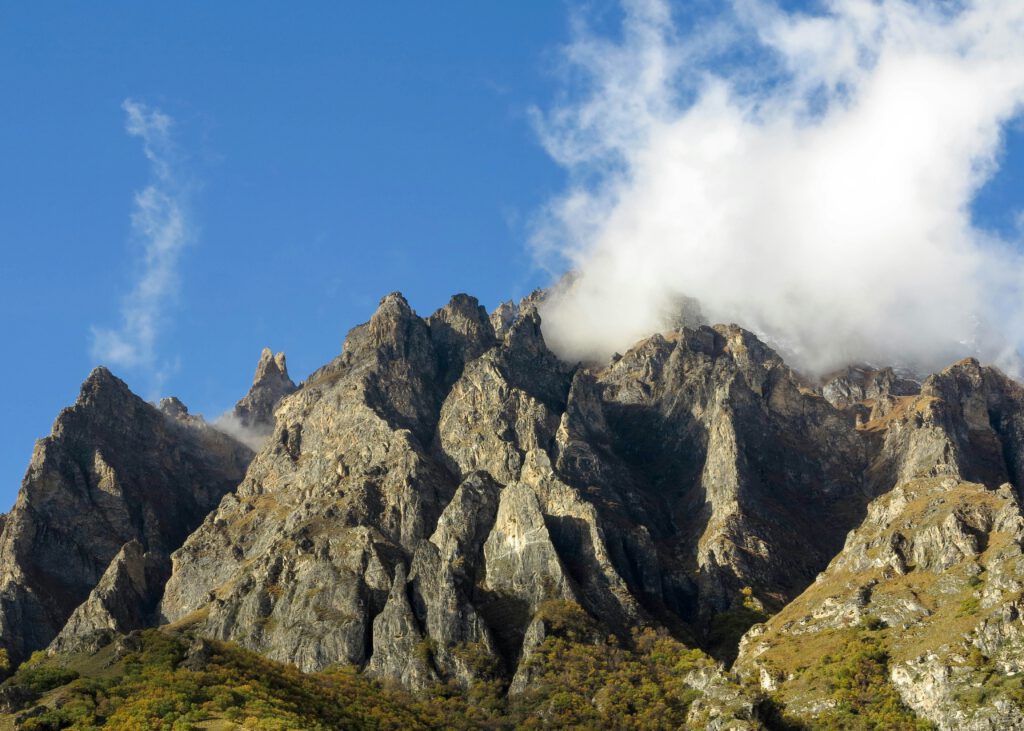
Challenge yourself across Renjo La, Cho La, and Kongma La while discovering remote valleys, glaciers, high mountain landscapes, and unforgettable views of the Everest Himalayas.
Duration
14
Group Size
8
Physical Rating
Level 3
Transport
Flight
Max Altitude
5,360 m/17,585 ft
Best Season
Mar-May, Sep-Nov
Accommodation
Tea House & Hotel
Meals
Included
Start/End Point
Kathmandu
Trip Overview
The Everest Three High Pass Trek is the Khumbu’s most complete and demanding teahouse circuit, linking the remote Bhote Koshi Valley, the Gokyo Lakes, Everest Base Camp and the upper Imja Valley. This 17-day clockwise itinerary crosses Renjo La, Cho La and Kongma La—three high passes above 5,300 metres—and visits both Gokyo Ri and Kala Patthar. Beginning with the classic approach from Lukla to Namche Bazaar, the route turns west through Thame and Lungden before crossing Renjo La to Gokyo. It then traverses Cho La to the Everest Base Camp trail, reaches Gorak Shep and Kala Patthar, and crosses Kongma La into Chhukung before descending through Tengboche to Lukla. This is a strenuous high-altitude trek for experienced, very fit trekkers. Pass crossings involve long days, steep loose terrain, snow or ice, cold wind and sections where the trail may be difficult to identify. Conditions can force a pass to close or require a route change; the guide’s safety decision is final.
Trek Highlights
- Cross Renjo La, Cho La and Kongma La on one continuous high-altitude circuit.
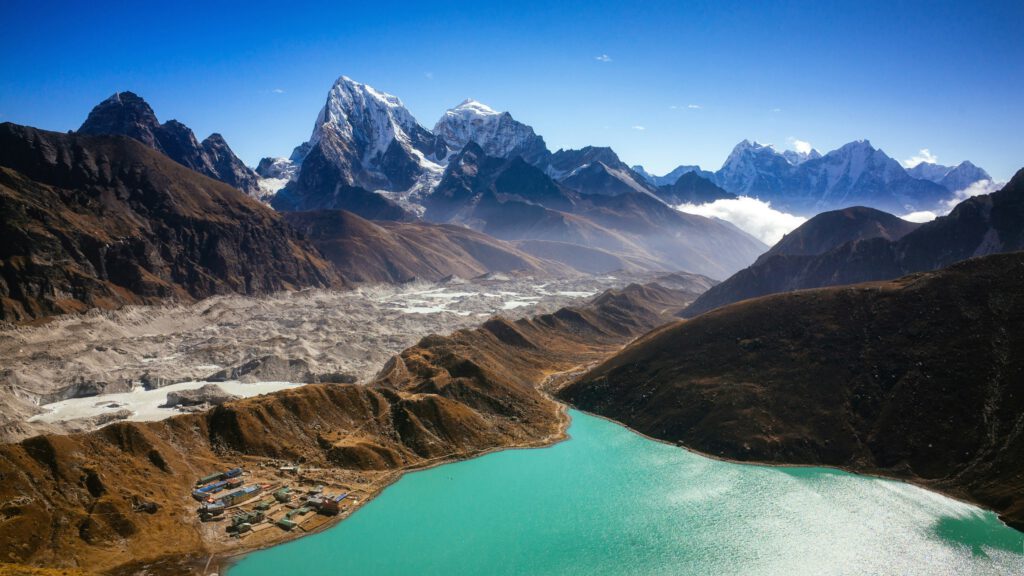
- Visit the turquoise Gokyo Lakes and climb Gokyo Ri in suitable conditions.
- Reach Everest Base Camp beside the Khumbu Glacier.
- Climb Kala Patthar for the classic close-range Everest panorama.
- Experience the quieter Bhote Koshi Valley through Thame and Lungden.
- See the Ngozumpa Glacier and cross rugged glacial-moraine landscapes.
- Walk through Namche Bazaar, Tengboche and traditional Sherpa settlements.
- Enjoy changing views of Everest, Lhotse, Makalu, Cho Oyu, Ama Dablam, Pumori and other peaks when skies are clear.
- Complete a circular route with minimal repetition compared with a standard base-camp trek.
What's Included
- Airport arrival transfer and the scheduled final transfer described in the confirmed itinerary.
- Kathmandu hotel accommodation as specified in the quotation.
- Domestic airfare and applicable airport transfers for the Lukla sector.
- Teahouse/lodge accommodation during the trek.
- Meals only as specified in the confirmed package.
- Licensed English-speaking trekking guide and agreed porter support.
- Guide and porter wages, meals, accommodation, transport and insurance.
- Sagarmatha National Park permit and applicable Khumbu local permit.
- Necessary ground transportation stated in the final itinerary.
- Basic group first-aid kit, government taxes and company service charges.
- Loan equipment such as a sleeping bag or duffel bag only when specifically confirmed.
Price Excludes
- International flights and Nepal entry visa.
- Travel insurance, medical treatment and emergency evacuation or helicopter rescue.
- Meals in Kathmandu unless specifically included.
- Trekking meals and beverages not included in the confirmed quotation.
- Personal clothing, footwear and trekking equipment.
- Hot showers, charging, Wi-Fi and other lodge services.
- Snacks, bottled drinks, alcohol and personal expenses.
- Extra nights, meals, transport, guides or route changes caused by weather, snow, illness, pass closure or flight disruption.
- Helicopter upgrades or alternative transport unless explicitly included.
- Tips for guides, porters, drivers and staff.
- Anything not listed under “What Is Included.”
Gears & Equipment
Clothing and Footwear
Broken-in waterproof trekking boots with good ankle support,
Moisture-wicking base layers,
Fleece and insulated mid-layers,
Warm expedition-weight down jacket,
Waterproof and windproof shell jacket and trousers,
Trekking trousers and thermal leggings,
Warm hat, sun hat and neck gaiter,
Light gloves plus warm insulated gloves,
Several pairs of warm trekking socks,
Lightweight camp shoes
Equipment and Personal Items
Microspikes or light traction devices when advised for current conditions,
Trekking poles and gaiters,
Cold-rated sleeping bag suitable for high-altitude teahouse nights,
Daypack with rain cover and duffel bag if porter support is included,
Headlamp with spare batteries for pre-dawn pass starts,
Category 3 or 4 UV-protection sunglasses and high-SPF sunscreen,
Reusable bottles and a dependable water-purification method,
Personal medicines and compact first-aid supplies,
Passport, permits, insurance certificate and emergency contacts,
Power bank, charging cables and travel adapter,
Toiletries, quick-dry towel, hand sanitizer and reusable waste bags
Itinerary
Kathmandu – approximately 1,400 m / 4,593 ft | Transfer: approximately 30–60 minutes
Meet the Barunche Treks & Expeditions representative at Tribhuvan International Airport and transfer to your hotel. Later, attend a trek briefing and equipment check covering flights, permits, weather, the route and altitude safety. Overnight at a hotel in Kathmandu.
Lukla – 2,860 m / 9,383 ft; Phakding – 2,610 m / 8,563 ft | Flight: approximately 30–40 minutes; trek: 3–4 hours
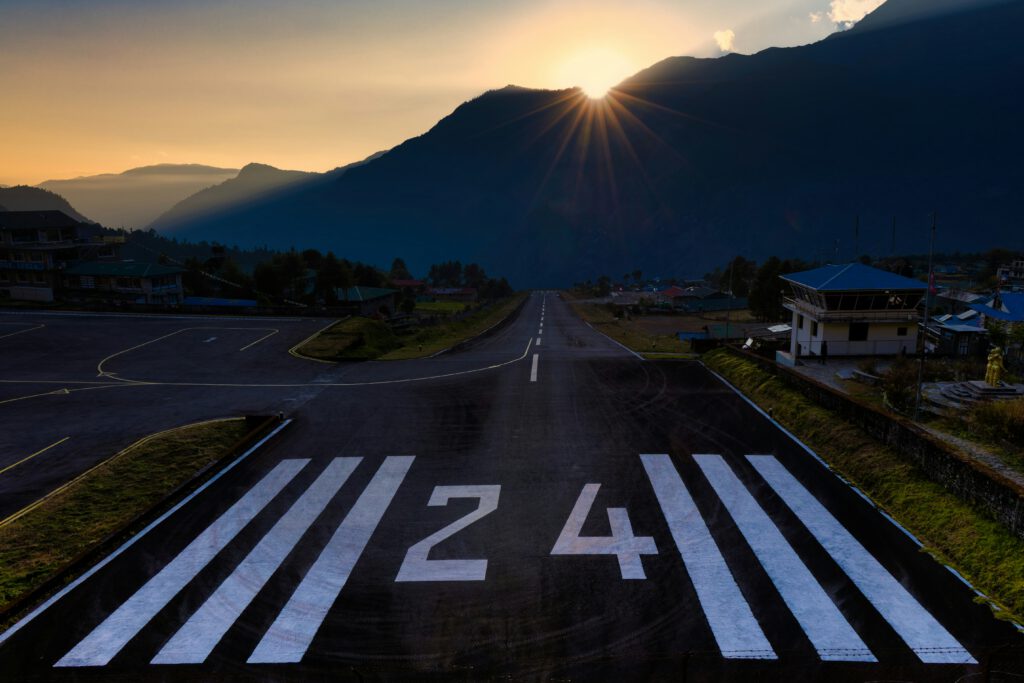
Fly to Lukla, subject to weather and airport operations, then meet the trekking crew. Descend through Chaurikharka and walk beside the Dudh Koshi through small settlements to Phakding. This moderate first day helps begin the transition to mountain walking. Overnight in Phakding.
Namche Bazaar – 3,440 m / 11,286 ft | Trek: approximately 6–7 hours
Follow the Dudh Koshi, cross a series of suspension bridges and pass Monjo before entering Sagarmatha National Park. Beyond Jorsalle, cross the high bridge and make the sustained climb to Namche Bazaar. Overnight in Namche Bazaar.
Namche Bazaar – 3,440 m / 11,286 ft | Hike: approximately 3–5 hours
Take a guided acclimatization hike toward the Everest View Hotel, Khumjung or another suitable viewpoint selected for the group and conditions. Return to Namche to rest, hydrate and explore the market town. Overnight in Namche Bazaar.
Thame – approximately 3,820 m / 12,533 ft | Trek: approximately 4–5 hours
Leave the main base-camp trail and follow the Bhote Koshi Valley west through quieter settlements and pine forest. Pass mani stones and small villages before reaching Thame, an important Sherpa community with a historic monastery nearby. Overnight in Thame.
Lungden – approximately 4,380 m / 14,370 ft | Trek: approximately 4–5 hours
Continue up the increasingly open Bhote Koshi Valley toward Marulung and Lungden. The steady altitude gain makes slow pacing and hydration important. In the afternoon, rest and prepare equipment for Renjo La. Overnight in Lungden.
Renjo La – approximately 5,360 m / 17,585 ft; Gokyo – approximately 4,790 m / 15,715 ft | Trek: approximately 7–9 hours
Start before dawn and climb toward Renjo La over steep and potentially icy terrain. From the pass, clear weather reveals the Gokyo Valley, turquoise lakes and a broad Himalayan panorama. Descend carefully on stone steps and rocky trail to Gokyo beside Dudh Pokhari. Overnight in Gokyo.
Gokyo Ri – approximately 5,357 m / 17,575 ft; Gokyo – 4,790 m / 15,715 ft | Hike: approximately 4–6 hours
Climb Gokyo Ri early if health, weather and trail conditions permit. The summit can reveal Cho Oyu, Everest, Lhotse and Makalu above the lakes and Ngozumpa Glacier. Descend to Gokyo for breakfast and spend the remainder of the day resting or exploring near the lakes with your guide. Overnight in Gokyo.
Thangnak/Dragnag – approximately 4,700 m / 15,420 ft | Trek: approximately 3–4 hours
Leave Gokyo and cross the shifting moraine of the Ngozumpa Glacier. The terrain is rough and route conditions can change as the glacier moves. Reach the small settlement of Thangnak and rest before the Cho La crossing. Overnight in Thangnak.
Cho La – approximately 5,420 m / 17,782 ft; Dzongla – approximately 4,830 m / 15,846 ft | Trek: approximately 7–9 hours
Begin very early for the steep climb toward Cho La. Rock, snow and ice may require careful footwork and traction equipment. After crossing the pass, descend beside the glacier and continue over rocky terrain to Dzongla. This pass should not be attempted in unsafe conditions. Overnight in Dzongla.
Lobuche – approximately 4,910 m / 16,109 ft | Trek: approximately 3–4 hours
Follow a shorter trail beneath Lobuche East with views toward Cholatse and the upper Khumbu. Join the main Everest Base Camp route near Lobuche, then rest and prepare for the following day. Overnight in Lobuche.
Gorak Shep – approximately 5,164 m / 16,942 ft; Everest Base Camp – approximately 5,364 m / 17,598 ft | Trek: approximately 7–8 hours
Walk beside the Khumbu Glacier to Gorak Shep, leave unnecessary gear at the lodge and continue across rocky moraine to Everest Base Camp. Everest’s summit is not prominently visible from base camp, but the Khumbu Icefall and surrounding peaks create a dramatic setting. Return to Gorak Shep. Overnight in Gorak Shep.
Kala Patthar – approximately 5,545 m / 18,192 ft; Lobuche – approximately 4,910 m / 16,109 ft | Trek: approximately 5–7 hours
Begin before dawn for the steep Kala Patthar ascent if conditions are suitable. Enjoy the classic close-range view of Everest, Nuptse, Pumori and the Khumbu Glacier, then descend to Gorak Shep for breakfast. Return to Lobuche and prepare for Kongma La. Overnight in Lobuche.
Kongma La – approximately 5,535 m / 18,159 ft; Chhukung – approximately 4,730 m / 15,518 ft | Trek: approximately 8–10 hours
Set out very early and cross moraine before climbing toward Kongma La, commonly considered the most remote and demanding pass of the circuit. The route may involve snow, ice, loose rock and difficult navigation. Descend carefully past alpine lakes and rough terrain into the Imja Valley at Chhukung. Overnight in Chhukung.
Tengboche – approximately 3,860 m / 12,664 ft | Trek: approximately 5–6 hours
Descend through Dingboche and Pangboche, following the Imja Khola valley back toward forest. Cross the river and continue to Tengboche, where the lower altitude feels noticeably easier after the passes. Visit the monastery if time and local arrangements permit. Overnight in Tengboche or nearby.
Lukla – 2,860 m / 9,383 ft | Trek: approximately 7–9 hours
Descend through forest to Phunki Tenga, then climb and traverse toward Namche Bazaar. Continue down across the Dudh Koshi bridges and follow the long trail through Monjo and Phakding to Lukla. This is a demanding final walking day; an extra night can be added on a customized itinerary. Overnight in Lukla.
Kathmandu – approximately 1,400 m / 4,593 ft | Flight: approximately 30–40 minutes plus transfers
Fly to Kathmandu or to Ramechhap with onward road transfer, depending on seasonal operations. Flights are subject to weather, visibility and airport conditions. Transfer to your hotel or onward arrangement after arrival. The 17-day package ends after the scheduled transfer.
What Makes This Trip Different?
Remote Valleys and Sherpa Mountain Culture
The route connects Thame, Lungden, Gokyo, the upper Khumbu and Chhukung, moving beyond the busiest corridor into valleys shaped by Sherpa settlement, trade, Buddhism and high-mountain livelihoods.
Three Passes, Glaciers and Responsible Challenge
Three major pass crossings, glacial terrain and two celebrated viewpoints create the region’s most varied trekking circuit, approached with careful acclimatization, trained local support and decisions guided by current mountain conditions.
FAQs
It is one of Nepal’s most strenuous mainstream teahouse treks because it combines three passes above 5,300 m with Everest Base Camp, Gokyo Ri, Kala Patthar and consecutive long days.
This 17-day itinerary travels clockwise: Renjo La first, Cho La second and Kongma La third.
The route is a trek rather than a technical climb, but snow, ice, steep rock and glacial moraine may require traction devices, careful movement and guide-managed safety equipment.
No. Weather, snow, ice, health or trail conditions may make a pass unsafe. The guide may change or shorten the route.
Kala Patthar is approximately 5,545 m, while Kongma La is approximately 5,535 m. Measurements vary slightly by source and device.
Yes. It includes Gokyo, Gokyo Ri, Everest Base Camp and Kala Patthar, subject to health and conditions.
Current Nepal Tourism Board guidance lists the Three Passes Trek among routes requiring a licensed guide and agency-issued TIMS documentation. Requirements should be reconfirmed before departure.
The guide will assess alternatives, which may include waiting when safe, turning back, bypassing a pass through a lower valley or changing the remaining itinerary. Extra costs depend on the confirmed package terms.
Choose a policy that explicitly covers trekking above 5,500 m, remote high passes, medical care and emergency helicopter evacuation in Nepal.
It is not recommended as a first multi-day mountain trek. Strong fitness and previous high-altitude trekking experience provide a much safer foundation.
Carry only daily essentials—water, layers, rain protection, snacks, camera, medicines and safety items. The exact porter allowance must follow the confirmed booking terms.
Yes. Adding buffer or rest days around Gokyo, Dzongla, Lobuche or Chhukung can make the journey more flexible and less compressed.
Recommended for you
Classic
14 Days
Classic
14 Days
Classic
14 Days