Classic
EVEREST BASE CAMP TREK – 14 Days
Stand beneath the world’s highest peak while discovering legendary Sherpa villages, ancient monasteries, and breathtaking Himalayan scenery.
Duration
14
Group Size
8
Physical Rating
Level 3
Transport
Flight
Max Altitude
5,360 m/17,585 ft
Best Season
Mar-May, Sep-Nov
Accommodation
Tea House & Hotel
Meals
Included
Start/End Point
Kathmandu
Trip Overview
The Everest Base Camp Trek is Nepal’s classic high-altitude journey through the Khumbu, combining dramatic Himalayan scenery with the living culture of Sherpa communities. This carefully paced 15-day itinerary begins and ends in Kathmandu, includes two acclimatization days, and follows the renowned teahouse trail from Lukla to Everest Base Camp. From the Dudh Koshi valley, the route climbs through Sagarmatha National Park to Namche Bazaar, Tengboche, Dingboche, Lobuche and Gorak Shep. Along the way, trekkers cross suspension bridges, visit Buddhist settlements and monasteries, and enjoy changing views of Everest, Lhotse, Nuptse, Ama Dablam, Thamserku and Pumori. The trek reaches Everest Base Camp at approximately 5,364 m and Kala Patthar at approximately 5,545 m, the itinerary’s highest point and its finest close-range Everest viewpoint. This is a strenuous trek rather than a technical climb; good fitness, gradual ascent, suitable insurance and a flexible approach to mountain weather are essential.
Trek Highlights
- Stand at Everest Base Camp beside the Khumbu Glacier and beneath the world’s highest mountain.
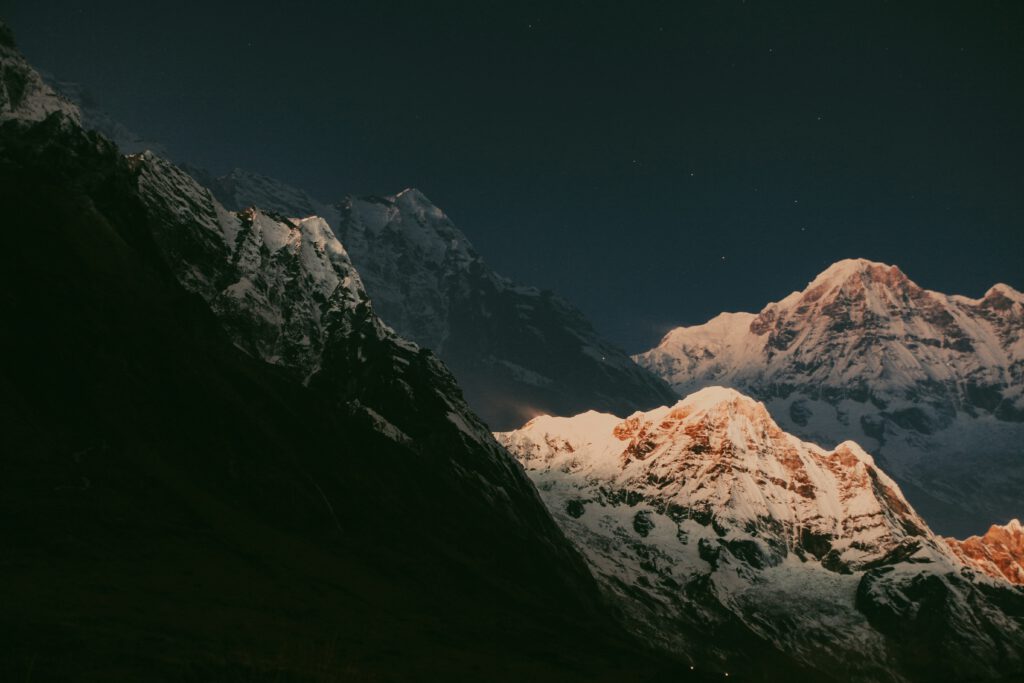
- Climb Kala Patthar for the trek’s most celebrated panorama of Everest, Nuptse, Pumori and the surrounding peaks.
- Spend time in Namche Bazaar, the historic trading centre and acclimatization hub of the Khumbu.
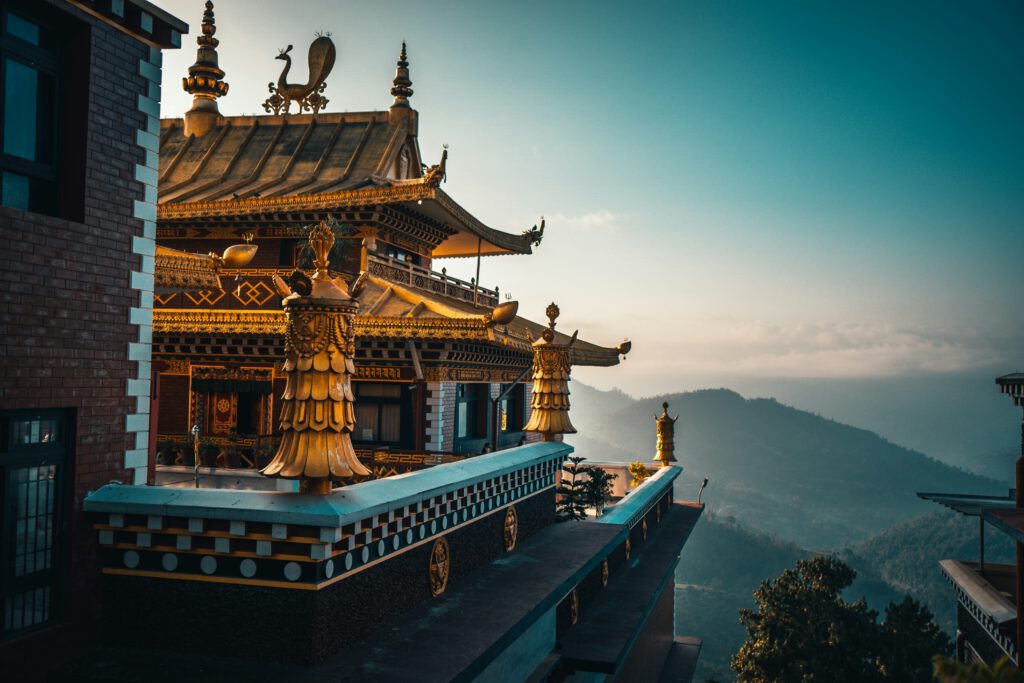
- Visit Tengboche Monastery in a spectacular setting dominated by Ama Dablam.
- Follow the Dudh Koshi valley through pine, fir, birch, juniper and rhododendron landscapes.
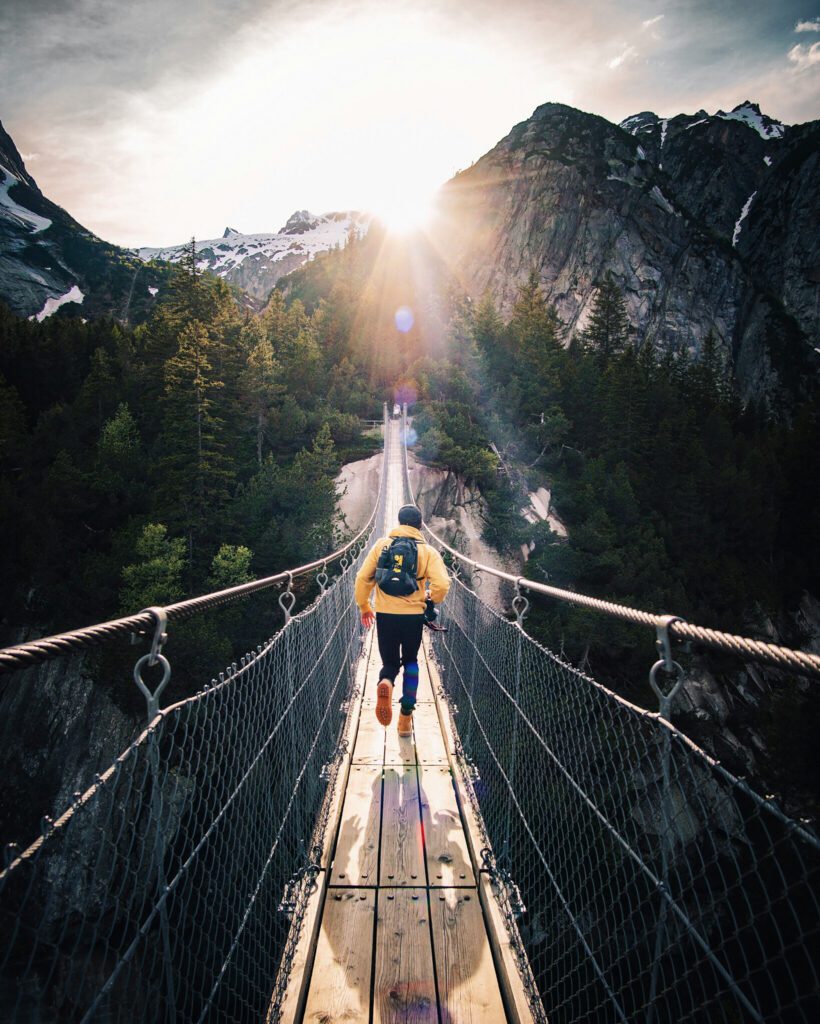
- Cross high suspension bridges and walk through traditional Sherpa settlements.
- Explore Sagarmatha National Park, a UNESCO World Heritage Site known for exceptional mountain scenery and biodiversity.
- Benefit from acclimatization days in Namche Bazaar and Dingboche.
What's Included
- Airport arrival and final-departure transfers in Kathmandu.
- Kathmandu hotel accommodation on a bed-and-breakfast basis, as specified in the confirmed quotation.
- Domestic airfare and airport transfers for the Lukla sector according to the final operating airport.
- Teahouse/lodge accommodation during the trek.
- Meals during the trek only as specified in the confirmed package.
- Licensed English-speaking trekking guide and agreed porter support.
- Guide and porter wages, meals, accommodation, transport and insurance.
- Sagarmatha National Park entry permit and applicable Khumbu local permit.
- Necessary ground transport described in the final itinerary.
- Company duffel bag and sleeping bag/down jacket loan when specifically confirmed and required.
- Basic group first-aid kit carried by the trekking team.
- Government taxes and company service charges.
Price Excludes
- International flights and the Nepal entry visa.
- Travel insurance, medical treatment and emergency evacuation or helicopter rescue.
- Meals in Kathmandu except those specifically listed in the confirmed package.
- Meals and drinks during the trek unless included in the confirmed quotation.
- Personal trekking clothing, footwear and equipment.
- Hot showers, battery charging, Wi-Fi, mobile data and other lodge services.
- Bottled drinks, snacks, alcoholic beverages and personal expenses.
- Extra hotel nights, meals, transport or flights caused by weather, cancellation, illness or itinerary changes.
- Helicopter upgrades or alternative transport following flight disruption unless explicitly included.
- Tips for guides, porters, drivers and other staff.
- Anything not specifically listed under “What Is Included.”
Gears & Equipment
Clothing and Footwear
Broken-in waterproof trekking boots,
Lightweight camp shoes or sandals,
Moisture-wicking base layers,
Fleece or insulated mid-layer,
Warm down jacket,
Waterproof and windproof shell jacket and trousers,h
Trekking trousers and thermal leggings,
Warm hat, sun hat and neck gaiter,
Light and insulated gloves,
Several pairs of trekking socks,
Equipment and Personal Items
Daypack with rain cover,
Duffel bag if porter support is included,
Four-season sleeping bag suitable for cold teahouse nights,
Trekking poles and headlamp with spare batteries,
UV-protection sunglasses and high-SPF sunscreen,
Reusable water bottles or hydration system and reliable purification method,
Personal medicines and a compact personal first-aid kit,
Passport, permits, insurance details and emergency contacts,
Power bank, charging cables and universal adapter,
Toiletries, hand sanitizer, quick-dry towel and reusable waste bags
Itinerary
Kathmandu – approximately 1,400 m / 4,593 ft | Airport transfer: approximately 30–60 minutes
A Barunche Treks & Expeditions representative will welcome you at Tribhuvan International Airport and transfer you to your hotel. After check-in, rest from your journey and meet the team for a trek briefing, equipment check and discussion of flights, permits, weather and altitude safety. Overnight at a hotel in Kathmandu.
Lukla – 2,860 m / 9,383 ft; Phakding – 2,610 m / 8,563 ft | Flight: approximately 30–40 minutes; trek: 3–4 hours
Take an early mountain flight to Lukla, subject to weather and airport operations. Meet the trekking crew and descend gently through Chaurikharka and smaller settlements beside the Dudh Koshi River. The first walking day is deliberately moderate and ends at Phakding. Overnight at a teahouse in Phakding.
Namche Bazaar – 3,440 m / 11,286 ft | Trek: approximately 6–7 hours
Follow the Dudh Koshi, crossing several suspension bridges and passing Monjo before entering Sagarmatha National Park. Beyond Jorsalle, the trail climbs steeply toward Namche Bazaar. On a clear day, the ascent may provide the first distant glimpse of Everest. Overnight at a teahouse in Namche Bazaar.
Namche Bazaar – 3,440 m / 11,286 ft | Acclimatization hike: approximately 3–5 hours
Follow the “climb high, sleep low” principle with a guided hike toward the Everest View Hotel, Khumjung or another suitable viewpoint chosen for conditions and group fitness. Enjoy views of Everest, Lhotse, Ama Dablam and Thamserku before returning to Namche. Use the afternoon to rest and explore the market town. Overnight in Namche Bazaar.
Tengboche – 3,860 m / 12,664 ft | Trek: approximately 5–6 hours
Traverse a scenic hillside with views of Everest, Lhotse, Nuptse and Ama Dablam, then descend to the Dudh Koshi near Phunki Tenga. A steady forest climb leads to Tengboche, home to the Khumbu’s best-known monastery. A monastery visit depends on opening times and local ceremonies. Overnight in Tengboche or a nearby lodge.
Dingboche – 4,410 m / 14,469 ft | Trek: approximately 5–6 hours
Descend through forest toward Deboche, cross the Imja Khola and continue through Pangboche. The trail gradually enters a drier, more open alpine landscape as it climbs to Dingboche, with striking views of Ama Dablam and the Imja Valley. Overnight in Dingboche.
Dingboche – 4,410 m / 14,469 ft | Acclimatization hike: approximately 3–5 hours
Take a gradual acclimatization hike, often toward Nangkartshang Hill or another viewpoint selected by the guide. The height reached depends on weather, trail conditions and how the group is adapting. Return to Dingboche for lunch, hydration and rest. Overnight in Dingboche.
Lobuche – 4,910 m / 16,109 ft | Trek: approximately 5–6 hours
Climb gradually across open terrain toward Thukla. Above the steep Thukla ascent, pass memorials dedicated to climbers and Sherpa mountaineers before continuing through the high valley to Lobuche. Move slowly, hydrate well and rest on arrival. Overnight in Lobuche.
Gorak Shep – 5,164 m / 16,942 ft; Everest Base Camp – approximately 5,364 m / 17,598 ft | Trek: approximately 7–8 hours
Follow the rugged trail beside the Khumbu Glacier to Gorak Shep, leave unnecessary gear at the lodge and continue to Everest Base Camp. The route crosses rocky and glacial moraine; Everest’s summit is not prominently visible from base camp, but the Khumbu Icefall and surrounding peaks create a powerful setting. Return to Gorak Shep for the night.
Kala Patthar – approximately 5,545 m / 18,192 ft; Pheriche – approximately 4,240 m / 13,911 ft | Trek: approximately 6–8 hours
Start before dawn if weather and trail conditions are suitable. The steep climb to Kala Patthar offers the itinerary’s clearest close-range view of Everest, with Nuptse, Pumori and the Khumbu Glacier nearby. Descend to Gorak Shep, eat breakfast and continue down to Pheriche. Overnight in Pheriche.
Namche Bazaar – 3,440 m / 11,286 ft | Trek: approximately 6–7 hours
Descend through Pangboche and cross the Imja Khola before climbing back toward Tengboche. Continue through forest and around the valley slopes to Namche Bazaar. Although the day loses considerable altitude, it still includes several uphill sections. Overnight in Namche Bazaar.
Lukla – 2,860 m / 9,383 ft | Trek: approximately 6–7 hours
Make the long descent from Namche, cross the Dudh Koshi bridges and retrace the trail through Jorsalle, Monjo and Phakding. Short climbs punctuate the final section to Lukla. In the evening, thank the trekking crew and rest after completing the trail. Overnight in Lukla.
Kathmandu – approximately 1,400 m / 4,593 ft | Flight: approximately 30–40 minutes plus transfers
Fly from Lukla to Kathmandu or to Ramechhap with onward road transfer, depending on the seasonal operating plan. All mountain flights are subject to weather, visibility and operational conditions. After arrival, transfer to the hotel and enjoy free time. Overnight in Kathmandu.
Kathmandu – approximately 1,400 m / 4,593 ft | Schedule: flexible
Use this day for rest, shopping or an optional guided cultural tour. It also provides a useful buffer if mountain flights were delayed. Any sightseeing entrance fees or services are included only when stated in the confirmed package. Overnight in Kathmandu.
Kathmandu – approximately 1,400 m / 4,593 ft | Airport transfer: approximately 30–60 minutes
After breakfast and hotel check-out, transfer to Tribhuvan International Airport according to your international flight schedule. The package ends with final assistance from the Barunche Treks & Expeditions team.
Read before you book, EVEREST BASE CAMP TREK – 14 Days
To help you decide if the Everest Base Camp Trek is for you, we have provided information on flight details, trek difficulty, and the best time to visit.
If you are still unsure if this trek is for you, then email or WhatsApp us. We will get back to you within 24 hours to answer any more questions.
On the EBC trek, you will stay two nights in a hotel in Kathmandu and 12 nights in teahouses in the mountains.
What to expect in Kathmandu for Accommodation
We provide our guests with accommodation in a good hotel on a twin-share basis. If you require a higher standard of the hotel, let us know, and we can provide this at an extra charge. Your hotel will have an attached bathroom, good bedclothes, and the usual things you can expect from a good standard. They are located in the heart of the tourist area, Thamel. There is a wide range of restaurants, cafes, and bars nearby, and shops for souvenirs and essentials.
Breakfast in Kathmandu at your hotel is included, and there may be either a buffet style or a menu to choose from.
What to expect in a teahouse in the EBC Trek
A teahouse is like a simple guest house on the Everest Base Camp hike. It provides trekkers with accommodation, meals, and a place to socialize. These provide pretty basic accommodation, either in twin rooms or in dormitories. Toilets and bathrooms are shared, with either a Western-style toilet or a squat-style toilet.
Showers normally only have cold water; you will be expected to pay for it in those with hot water on offer.
The sleeping rooms consist of beds, blankets, and not much else. Bringing your own sleeping bag is always recommended. There are no ‘single rooms’ unless it is off-season, and you are lucky. Sharing a room is perfectly normal. There is no heating in the sleeping rooms.
Some sort of stove usually warms the dining area. Light is provided by solar. Most teahouses have the ability to charge your gadgets, for which you have to pay. Breakfast and dinner are taken in the teahouses at communal tables where you can discuss the day’s journey with others.
Some Everest Base Camp trek menus offer a variety of food. Boiled water is usually available, rather than in plastic bottles, which hurts the environment. There is a small charge for boiled water. Bringing your own sterilization tablets/ life straw is a good idea.
Luxury lodges on the Everest Base Camp trail
Some luxury lodges are at lower altitudes within the Everest Region. While these are not up to Marriott or Hyatt standards, they are extremely comfortable with a good range of amenities. If this interests you, we can point you to our Everest Luxury Lodge Trek for more information.
Are There Hot Showers and Electricity on EBC Trek?
Yes, hot showers are available, but you must pay for them. Why? Gas canisters are brought in from nearby cities and carried to teahouses. That is an expensive journey.
You will be expected to pay around $3 to $5 per shower, depending on the height of your lodge. We recommend you conserve energy (and your money) and don’t shower too often. And the effort to take off and put on clothes might be too much in the cooler weather.
As for electricity, most teahouses now depend on solar power, installed at a considerable cost. Therefore, they will ask you to pay to charge your equipment – $3 to $5 per item. We suggest you carry your own power bank or portable solar charger.
There are plenty of good, multi-cuisine options on the EBC trek, from pizza to chowmein and porridge to omelets. However, in the Everest Base Camp trek altitude above 3,000m (basically above Namche Bazaar), we recommend you not to eat meat because, normally, teahouses do not have refrigerators. You will eat at the tea house where you are staying.
In the larger towns, such as Namche and Lukla, there are more options available – even bakery items fresh from the baker’s oven and a pub.
You can expect eggs, toast, or Tibetan-style bread, porridge, or noodles for breakfast.
The local dish of dal bhat is preferred by the guide and porters. Dal bhat consists of vegetable curry, lentil (dal) soup, and rice. Very filling and a staple throughout Nepal.
The dinner menu at your overnight teahouse can vary, particularly at lower altitudes. There will be soups of different kinds, noodles and pasta in different forms, fried potatoes, fried rice, pizza (of different qualities), more dal bhat, and for dessert, perhaps custard or rice pudding.
At each stop, there will be soft drinks, tea, and coffee

Breakfast Options
Porridge
Tibetan bread
Eggs
Pancakes
Muesli
Tea
Coffee
Lunch and Dinner Options
Dal Bhat
Rice, lentils & veggies
Momo
Tibetan dumplings
Thukpa
Noodle soup
Chowmein
With egg or vegetables
Fried Rice
With egg or vegetables
Spaghetti / Macaroni
With tomato sauce, cheese, vegetables
Potato Dishes
Boiled, fried, mashed, or roasted potatoes – often with cheese or garlic
Soups
Garlic (altitude remedy), tomato, vegetable, mushroom, or lentil
Pizza
Veg, cheese, or mixed (availability depends on the village)

Food Safety Tips:
- Stick to cooked, hot foods
- Avoid meat at higher elevations
- Dal Bhat is often the safest and most filling option
- Drink only purified water
The generic answer to the best time for the Everest Base Camp trek is ‘spring and autumn,’ but of course, the weather at such a uniquely high altitude is never guaranteed. While trekkers and climbers visit year-round, there are definite times when the weather offers the best possible experience. Below, we break down what to expect in each season.
Everest Base Camp Trek in Spring (March to May)
Everest Base Camp trek in spring is one of the best times and for good reason. The skies are clear, and the temperatures are perfect for trekking. Daytime temperatures can get up to 15-20°C (59-68°F) at lower altitudes, and nighttime temperatures can drop to -5 to 5°C (23-41°F). The trails are alive with blooming rhododendrons and other alpine flowers, making the scenery even more beautiful.
Pros:
- Clear mountain views and good weather.
- Comfortable daytime temperatures.
- Beautiful landscapes with flowers.
Cons:
- Trails and lodges are crowded.
Everest Base Camp Trek in Monsoon (June to August)
Everest Base Camp trek in monsoon is marked by heavy rain especially in the lower altitudes of the Everest region. The trails can be slippery and muddy and flights to and from Lukla can be delayed or cancelled due to bad weather.
But for those who are willing to brave the rain, there are perks like less trekkers on the trails and lush green landscapes. Daytime temperatures can be 18-25°C (64-77°F) and nighttime temperatures can be 8-12°C (46-54°F) at lower elevations.
Pros:
- Less trekkers on the trails and less crowded lodges.
- Landscape is green and good for photography.
Cons:
- High chance of flight delays or cancellations.
- Rain and slippery trails.
Everest Base Camp Trek in Autumn (September to November)
Autumn is also considered the best time to trek to Everest Base Camp with stable weather and great views. The skies are clear after the monsoon and the mountain vistas are panoramic.
Daytime temperatures can be 12-18°C (54-64°F) and nighttime temperatures can drop to -10 to 0°C (14-32°F). This is also the time of major festivals in Nepal like Dashain and Tihar which adds cultural aspect to your trek.

Pros:
- Clear skies and good visibility.
- Comfortable trekking temperatures.
- Experience Nepali festivals.
Cons:
- Nights are cold, especially at higher altitudes.
- Trails and lodges are crowded.
Everest Base Camp Trek in Winter (December to February)
Winter treks to Everest Base Camp are for those who want solitude and adventure. Daytime temperatures can be 5-10°C (41-50°F,) and nighttime temperatures can drop to -15 to -20°C (5-4°F). The weather is generally stable with clear skies, but heavy snowfall can block the trails and make the trek more challenging.
Pros:
- Fewer trekkers on the trails and in lodges.
- Beautiful snow landscapes and clear skies.
Cons:
- Some lodges might be closed as locals migrate to lower altitudes.
- Very cold temperatures, especially at night.
Off-Season Considerations
Spring and autumn are the peak seasons, but trekking in the off season (monsoon and winter) can be a unique experience. Monsoon treks offer greenery and solitude and winter treks offer a snowy landscape. But both seasons come with unpredictable weather and logistical challenges. Proper planning and preparation is key if you decide to trek during these times.
The best time to trek to Everest Base Camp depends on your priorities. If you want stable weather and good views, spring and autumn are your best bet.
If you want solitude and adventure, off season might be worth considering. Whatever you choose, make sure you are prepared. The time you choose to trek, proper preparation and knowledge of the season will ensure a safe and enjoyable trip.
While the scenery and mountain views may change daily, some things do not. For example, each day on the trek starts and ends similarly:-
We start our day early, at around 6 or 7 am, when we all meet for breakfast in the teahouse (lodge) dining room. Breakfast is ordered the night before so the teahouse owner can have it ready for us on time.
After breakfast, prepare your duffel bag, which the porter will carry. He will set off at his own pace. All you need to carry is a day pack with what you think you might require for the day, such as a water bottle, sunscreen, snacks, etc.

Then start hiking with your guide. The way will be familiar because your guide will have explained the day’s highlights the night before. You will continue walking until the lunch stop on the trail. This will most likely be at a small settlement. After lunch, follow the trail until the overnight teahouse.
At the teahouse, it’s time to choose the items off the menu for dinner before relaxing with other travelers or writing your diary. The guide will explain the route and landscape for the next day during or after dinner. Don’t forget to order breakfast before heading off to bed.
The Government of Nepal imposes permit entrance fees to preserve the beauty surrounding Mt. Everest and other mountains in the Himalayan range.
All national parks in Nepal need a permit, and the Sagarmatha National Park is no different. When you compare the cost of the permits to the overall cost of your trip to Nepal and the Everest Region, the amount is relatively small. It is an investment in the future of this beautiful area with its snow, forests, ice, pastures, and culture.
Sir Edmund Hillary and Tenzing Norgay may have been the people to put the Khumbu on the map, but since then, countless mountaineers and trekkers have enjoyed the beauty of the likes of Mt. Everest, Ama Dablam, Goyko Lakes, and much more. Let’s ensure this area stays as it is for future trekkers and Nepali people.
If you’re planning to trek to Everest Base Camp (EBC), you need to get the necessary permits in advance. Here’s a step by step guide to help you through the process.
- Khumbu Pasang Lhamu Rural Municipality Entrance Permit
- Cost: NPR 2,000 per person
- Required for all trekkers entering the Khumbu region. Can be obtained in Lukla or Monjo.
- Sagarmatha National Park Entry Permit
- Cost: NPR 3,000 per person
- Required for entering the Sagarmatha National Park, a UNESCO World Heritage Site. Can be obtained in Kathmandu at the Department of National Parks and Wildlife Conservation office or in Monjo.
How to Get These EBC Trek Permits
Getting these permits might seem complicated but it’s easy if you follow these steps:
- Prepare Required Documents:
- A valid passport
- Visit the Relevant Offices:
- For Sagarmatha National Park Entry Permit:
- Department of National Parks and Wildlife Conservation office in Kathmandu, or
- Sagarmatha National Park counter in Monjo.
- For Khumbu Pasang Lhamu Rural Municipality Entrance Permit:
- Get this permit in Lukla or Monjo.
- For Sagarmatha National Park Entry Permit:
Magical Nepal will help you with all the permits for your treks. Our booking system will collect all the necessary documents and process the permits for you.
Rules and Regulations in the Everest Region
To trek safely and sustainably in the Everest region, follow these rules:
- Respect Local Culture: The Khumbu region is Sherpa country, so always ask permission before taking pictures of locals or entering monasteries.
- Do Not Litter: Carry all your waste with you and dispose of it properly. Keep the trails clean.
- Stay on the Trail: Avoid shortcuts to minimize environmental damage and for your own safety.
- Follow Local Instructions: Follow instructions from local authorities, park rangers and your guide.
- No Fires: Do not light fires in the national park, it can cause huge damage to the ecosystem.
- Wildlife: Sagarmatha National Park is home to unique wildlife like the Himalayan Thar and Snow Leopard. Observe them from a distance without disturbing their habitat.
Click here to learn more about Everest base camp trek permits
What Makes This Trip Different?
Authentic Sherpa Culture and Local Experience
Stay in locally operated mountain lodges, walk through established Sherpa communities, visit Buddhist landmarks and experience the everyday rhythm of the Khumbu beyond its famous viewpoints.
Himalayan Adventure and Responsible Travel
Trek gradually from forested river valleys to glacial terrain, supported by a local team that promotes safe acclimatization, respect for mountain communities and low-impact travel.
FAQs
It is a challenging trek because of altitude, cold, uneven terrain and repeated walking days. It does not require technical climbing, but good preparation and steady pacing are necessary.
Previous multi-day trekking experience is helpful but not compulsory. Fit first-time trekkers can succeed with training, realistic expectations and proper acclimatization.
The highest overnight point is Gorak Shep at approximately 5,164 m. The highest walking point is Kala Patthar at approximately 5,545 m.
Everest’s summit is not prominently visible from the base camp itself because surrounding peaks obstruct the view. Kala Patthar provides the classic close-range Everest panorama.
Tell the guide immediately. The correct response may include rest, stopping ascent, descending or arranging medical assistance. Never hide worsening headache, nausea, dizziness, unusual fatigue, confusion or breathing difficulty.
No. Mountain flights depend on weather, visibility and operational conditions. Delays, cancellations and airport changes are possible.
Many lodges offer Wi-Fi and charging for a fee, but reliability decreases at higher elevations. Carry a power bank and do not depend on continuous connectivity.
Common vegetarian meals are widely available. Tell the company about allergies or strict dietary needs before booking; remote kitchens may not guarantee complete separation from allergens.
Yes. Your policy should cover high-altitude trekking to at least 5,600 m, medical treatment, trip disruption and emergency helicopter evacuation in Nepal.
Private departures may be adjusted for travel dates, group needs and available time, but acclimatization and safe ascent should never be compressed carelessly.
Recommended for you
Classic
14 Days
Classic
14 Days
Classic
14 Days