Classic
Everest Base Camp Trek – 14 Days
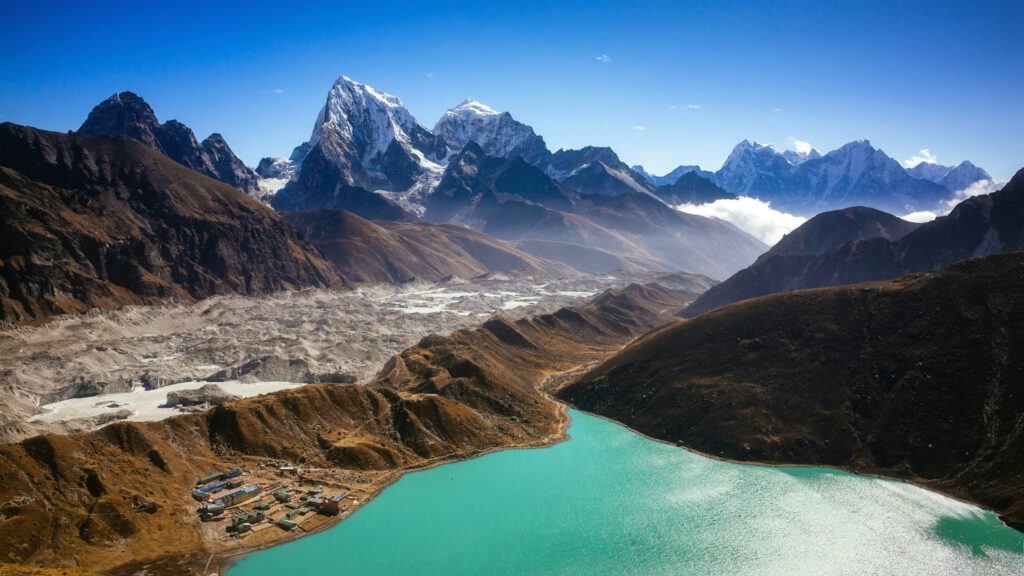
Trek through the gigantic mountains, the turquoise blue water of Gokyo Lake and the Ngozumpa glacier-the largest glacier of the Himalayas.
Duration
14
Group Size
8
Physical Rating
Level 3
Transport
Flight
Max Altitude
5,360 m/17,585 ft
Best Season
Mar-May, Sep-Nov
Accommodation
Tea House & Hotel
Meals
Included
Start/End Point
Kathmandu
Trip Overview
Gokyo and Renjo la Pass trek is one of the best trekking to be a part of as it gives the chance to experience the diverse landscapes changing into pastures, ridges, narrow clefts, and steep climbing trails. Not only that, you can witness the sky high mountain peaks, snow-capped mountains and hills, the glaciers, and the best view from the view point Gokyo Ri. The view of the highest mountain of the world Mt. Everest and the sister peaks like Cho Oyu, Lhotse and Makalu from Gokyo-Ri is world class and heavenly. The sights of Gokyo valley has a collection of stoned houses and meadows on the shore of a great lake, Dudh Pokhari and the massive Ngozumpa glacier. The Gokyo and Renjo la pass trek begins at Kathmandu, the capital of Nepal. The second morning at Kathmandu takes you to Lukla, the gateway to Everest through a scenic flight from the domestic airport. This is where the real adventure of your trip begins. The beautiful mountains, the rhododendron forests, the gushing sound of the rivers etc. only helps you get through this tiring yet worthy trek through the Gokyo valley and one of the high passes Renjo La Pass. The beautiful sceneries from the whole trek almost knocks everyone off the knees. However, Gokyo and Renjo la pass trek is equally challenging. The mixture of both the challenges and the beauty therefore makes the whole trip worth it.
Trek Highlights
- Experience a breathtaking scenic flight to and from Lukla.
- Immerse yourself in the rich culture of the Himalayan mountain communities
- Visit the pristine and serene Gokyo Lakes.
- Witness the grandeur of the Ngozumpa Glacier, the largest glacier in the Himalayas.
- Hike to the summit of Gokyo Ri, one of the most awe-inspiring viewpoints in the Everest region.
- Enjoy panoramic views of the stunning Gokyo Valley, the expansive Ngozumpa Glacier, and the towering Khumbu Himalayas.
- Cross the spectacular Renjo La Pass (5,360 meters), offering incredible panoramic views of Everest, Lhotse, Makalu, and the vast Himalayan range.
- Relish the unique and memorable stay in the remote, peaceful regions of the Himalayas.
- Immerse yourself in the rich culture of the Himalayan mountain communities.
What's Included
- Double or twin-sharing accommodation in a 3-star hotel for 2 nights in Kathmandu including breakfast (Private room accommodation can be organized at an extra cost)
- Twin-sharing guest house accommodation during the trek for 11 nights in the Everest Region with attached toilets in Lukla, Phakding & Namche
- All your standard meals during the trek (Breakfast, Lunch, and Dinner) including a tea or coffee.
- Fresh seasonal fruits each day after dinner during the trek.
- A farewell dinner on the last night in Nepal
- Purified drinking water during the trek using water filter or water purification tablets.
- All (international and domestic) airport transfers on a tourist vehicle
- Round-trip airfare between Kathmandu/Manthali and Lukla
- Kathmandu – Manthali – Kathmandu transportation by shared tourist vehicle
- Experienced, first-aid trained, government licensed, English speaking, and locally recruited Ace the Himalaya’s trekking guide (2 guides for group size more than 7 people)
- Porters during the trek for carrying luggage (1 porter for every 2 clients)
- Wages, accommodation, meals, gear, insurance, and medications for all staff
Price Excludes
- Double or twin-sharing accommodation in a 3-star hotel for 2 nights in Kathmandu including breakfast (Private room accommodation can be organized at an extra cost)
Gears & Equipment
General
Four-season (zero degree) sleeping bag (We have rental sleeping bags available for an additional USD 35) Puffy down jacket (We have rental jackets available for an additional USD 35) Daypack (35-45 liters recommended) with rain cover Sleeping bag liner
Upper Body
Sun hat or cap (We'll provide you with a free Ace the Himalaya baseball cap.) Knitted hat/Beanie Headlamp Sunglasses Scarf/Neck Gaiter/Buff (highly recommended)
Torso
Technical fabric base layer (light for warmer months, heavy for colder months) Technical fabric short (2) and long sleeve (2) shirts Waterproof, windproof shell Fleece jacket or pullo
Lower Body
Technical fabric base layer (light for warmer months, heavy for colder months) Hiking pants (2) Comfortable pants for inside the teahouses Waterproof, windproof shell Hiking shorts
Hands
Wool or technical fabric liner gloves Hard-shell outer gloves (insulated for colder months)
Feet
Wool or technical fabric warm socks Hiking socks Liner socks (optional such as silk) Trekking/hiking boots (waterproof recommended) Ice Cleats /Micro Spikes Casual shoes Gaiters (lightweight for dust or heavy for snow in colder months)
Undergarments
Note: The quantity of each article of clothing can be adjusted to suit the preferences of each participant. Technical fabric/quick drying is best for underwear (opportunities to launder during the trip) Sports bras (women) Pajamas or sleeping clothes
First Aid Kits and Medications
(Note: Guides carry medications and first aid kits during the trip. However, personal kits and medications are highly recommended.) Sunscreen Lip balm
Other Essentials
Passport Extra copies of passport-sized photos Reusable water bottle Toiletry kits Water purification tablets or UV water purifier (if you plan to treat water) Hydration bladder Towel Pillowcase Toilet paper (2 rolls) High protein snacks (such as protein bars or nuts) Waterproof/dry bags for carrying important documents and money Airline tickets (Please leave a copy at our office in Kathmandu. This can be useful if there is a change in the date of the flight.) Earplugs Trekking poles
Optional
Once in Nepal, if you have the time, you can purchase supplies and gear for hiking. Thamel, Kathmandu’s tourist hub, is home to many shops where you can get a variety of reasonably priced trekking equipment. Power bank or extra batteries Cameras and mobile phone Cards/book Binoculars Whistle Thermos for hot water
Itinerary
One of our officials will greet you at the Tribhuvan International Airport, Kathmandu, upon your arrival. We will take you to the hotel in our private tourist vehicle. Pre-trip meeting at the office with our trekking guide in the afternoon.
Manthali to Lukla Flight (March, April, May, September, October and November)
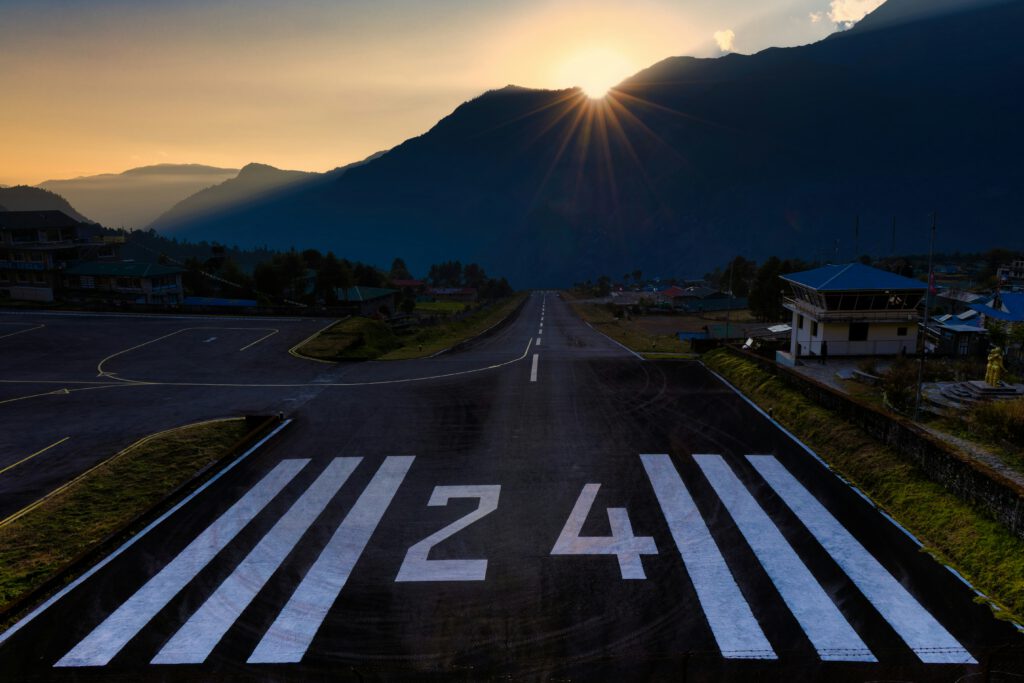
During peak seasons, such as March, April, May, September, October and November the flight to Lukla will be operated from Ramechhap/Manthali due to air traffic expansion. The Manthali/Ramechhap airport is about a 5 to 6 hours drive away from Kathmandu. On this day, we wake up between 1:00 AM and 3:00 AM, take an escorted shuttle to Manthali Airport in a shared tourist vehicle, and board a 20-minute flight to Lukla.
Kathmandu to Lukla Flight (January, February, June, July, August and December)
The flight to Lukla is typically operated from Kathmandu during nonpeak seasons, which include January, February, June, July, August and December. Please be aware that the decision regarding the operation of flights solely depends on the airline and is influenced by the volume of travelers during a specific month. On this day, we wake up between 5:00 AM and 6:00 AM. Our staff will escort you to the domestic airport terminal in Kathmandu, where you will board a 35-minute flight to Lukla.
We continue trekking along the banks of the Dudh Koshi, crossing the majestic rivers many times on exciting suspension bridges laden with prayer flags. After entering the Sagarmatha National Park, the trail climbs steeply with breathtaking views.
Namche Bazaar (considered the Gateway to Everest) is home to many quality restaurants, hotels, lodges, shops, money exchange services, internet cafes and bakeries. Namche is the biggest town along the Everest trail.
We spend a day in Namche Bazaar in order to acclimatize and adjust to the thinning air. We will trek a short distance to a museum that is celebrated for its exhibits of the traditional customs of the Sherpa people.
We also hike up the Syangboche Airport near the Everest View Hotel. From this point, we can see rewarding views of the Himalayas with a stunning sunrise and sunset over the panorama of Khumbu peaks.
After the breakfast, we start walking on the same route to the Everest Base Camp until a place called Sanasa. From there, the trail ascends towards Mongla (4,000 m/13,123 ft).
The outstanding views of the mountains keeps accompanying throughout the trail. Passing through the beautiful rhododendron forests, we descend towards Phortse Tenga and steeply climb to reach Dole. The total walk will be of 6 hours from Namche Bazaar.
The early morning we continue to climb along the sides of the beautiful valley and walk through small thorny bushes that takes us to the scrub juniper.
As the altitude increases, we can see the summer settlement areas where during the summer time, yaks are taken to pastures for grazing.
As we walk up these areas, we can witness the beautiful Cho Oyu Mount ain. After walking for 5 to 6 hours we finally reach Machhermo.
The trek today takes us to one of our main destinations, Gokyo (4,790 m/15,715 ft). Following the scenic path to Pangka and descending slightly, we follow one of the melt-water River which flows down the west side of the Ngozumpa glacier.
The trail leads us to staircases and atop of the stairs arrives the first lake called as Longponga at the elevation of 4,650 m. The trail then follows the valley and past the valley is the second lake at an elevation of 4,800 m also known as Taujun Lake.
After walking for some more time comes the beautiful Gokyo valley. Gokyo is a collection of stone houses and walled pastures on the shores of a large lake known as Dudh Pokhari.
Early in the morning, we have a steep climb up to the top of Gokyo Ri at an elevation of 5,360 m (17,585 ft). There are ample rewards for those who attempt this trip.
You get stunning views of the super Gokyo valley, the massive Ngozumpa glacier and an incredible panoramic view of the whole Khumbu Himalayas, including the giants; Everest, Lhotse, Nuptse, Makalu, Cho-Oyu and Gychung Kang.
A three-hour trek at the break of dawn leads us to the astonishing Renjo La Pass 5,360 meters (17,585 feet), situated in the Everest Region. The Renjo La Pass altitude adds to its allure, standing as a truly remarkable high point.
The vistas that unfold, encompassing the majestic Mount Everest, the elegant Cholatse, and the formidable Taboche, are nothing short of exhilarating.
Continuing on with the trek we walk down the trail heading to the destination for the day, Lungden. While on the trail we can see the amazing snow peaks. The total trek for the day will be of 7 hours.
After breakfast, we head back to the trail which mostly descends down to the village of Thame. While on the trail we can see amazing snow peaks.
About 150 meters above Thame, there is a Thame Monastery, a picturesque monastery set among the many homes of monks and lay people. It resides on the side of a hill overlooking the valley.
This is the site for the spring celebration of the Mani Rimdu festival, held about the middle of May each year.
Thame is a traditional Sherpa village that has escaped the crowds trekking to Everest and has one of the oldest monasteries in the region. The village is notably the hometown of Apa Sherpa who has made it to the summit of Everest 21 times!
The walk itself is peaceful with excellent views of the mountains as it winds in and out of the forest on the side of the canyon. This day, we continue our journey walking down the hill from Thame. The trek will be easy and short and the final destination for the day and the trip will be at Namche Bazar.
Finally we return back to Lukla where the trek began, which will seem like ages ago. It will give you time to reflect on the trek also giving you time to explore the town.
Lukla to Manthali Flight (March, April, May, September October, and November)
The flight from Lukla to Manthali is a 20-minute flight. After that, it is about a 5 to 6 hour drive to Kathmandu. Please note that the driving hours may vary according to the highway traffic condition. You’ll be transferred to the hotel in Kathmandu on a shared tourist vehicle.
Lukla to Kathmandu Flight (January, February, June, July, August and December)
The flight from Lukla takes about 35 minutes. After arriving at the airport, you will be transferred to the hotel in Kathmandu via a shared tourist vehicle. Please be aware that the decision regarding the operation of flights solely depends on the airline and is influenced by the volume of travelers during a specific month.
Helicopter Option Helicopter Option
You have the option to book a direct helicopter flight from Lukla to Kathmandu for an extra charge of USD 550 per person. This price is quoted on a 5-people sharing basis. This is the best alternative to avoid the long drive to from Manthali airport to Kathmandu during peak season (March, April, May, October and November).
You might want to stay a little more in Nepal. If you are looking for extending your trip, there are options such as a visit to Chitwan National Park, known for wildlife viewing and to Pokhara, considered one of the most beautiful cities of Nepal. You can also extend your trip to Tibet, India or Bhutan.
The Gokyo and Renjo La pass trek concludes – our airport representative will drop you to Kathmandu’s Tribhuwan International Airport for your flight departure from Nepal.
What Makes This Trip Different?
Our CSI with Sambhav Nepal
Ace the Himalaya believes in giving back to the communities that surround and support tourism in Nepal. Ace provides logistical support and, if needed, cash donations to the projects of Sambhav Nepal (a local NGO). Sambhav Nepal and Ace work together to plan volunteer programs that will bring in foreign volunteers and make use of their enthusiasm, time, and talents in a variety of projects.
Sustainability and Responsible Tourism
Of the few Travelife Certified companies in Nepal, Ace the Himalaya is one. We respect the procedures for sustainable tourism. Our excursions are socially and environmentally conscious, leaving the lowest possible impact in the Himalayas. About 80% of Ace the Himalaya’s staff members are natives of the regions where our trips are organized. It is one of our sustainable and responsible efforts to help local communities, support small businesses, and promote regional culture and way of life.
FAQs
Ace the Himalaya is widely regarded as one of the best trekking and travel companies in Nepal due to its expert local guides, high safety standards, well-designed trekking packages, and consistent service quality since 2006. With operations based in Kathmandu and across the world with our representatives, we deliver reliable, professionally managed trekking and travel experiences.
Here are 17 reasons why you should choose Ace the Himalaya for your next adventure!
Two passport-sized photos (2×2 inch) to give to our office staff
A copy of your international flight ticket to give to our office staff
A copy of travel insurance to give to our office staff
The best course of action is to add a day or two before and after your intended trek days in case of flight delays or cancellations. It also gives you time to buy clothing equipment and gear required before your trip.
Please be aware that Ace the Himalaya is not responsible for any inconveniences or missed international flights resulting from unforeseen events like airport changes, flight delays or cancellations, etc.
You can hike to Gokyo and Renjo La Pass Trek without a guide. A guide is there to assist you in going forward and making alternative plans and arrangements when unanticipated occurrences happen or when things get difficult.
Our hiking leaders are qualified experts. When talking about their trip, our guests frequently remark on how much fun they had and how crucial their guide was to make it successful.
Yes, our guides can speak English. Most of them start their careers as porters and work for 3 to 4 years before becoming trekking guides. Their English skills are based on real-world experience rather than formal education. While they are able to communicate effectively, please note that English is not their first language, so their fluency may not be on par with native speakers. They will also assist with communication, especially since many locals, like shopkeepers and teahouse hosts, may not speak English.
The best seasons to hike Gokyo Renjo La Pass Trek are autumn (Mid-September to November) and spring (March to early June). This trek is possible year-round, and we can organize it when it suits your schedule.
However, we generally suggest doing this trek in the favorable seasons and keep away from the rainstorm season (July and August). In the cold months of January and February, the temperature can be a little harsh in the mountains.
However, some prefer to travel during these months as it is less crowded given that you are well prepared with appropriate winter wear and other gears.
Due to its tendency to be localized, the weather in the Everest region is challenging to forecast. You could see rain, fog, cold, or hot and sunny weather while trekking. It is best to be equipped to handle various weather situations. In the Everest region, nighttime temperatures are significantly lower than midday temperatures. In less than a day, the temperature can change from a high of 25°C (77°F) to a low of – 20°C (-4°F). The weather and temperature ranges are typically predictable based on the month and season, even though it might be challenging to predict what each day in the mountains will bring.
Spring – March/April/May/June
Despite being the busiest season, spring is perhaps the best time to visit the Everest region. Activities assisting the expedition teams take place in Everest Base Camp. The many varieties of blossoming trees should be visible, and the sky should be clear with stunning vistas. During springtime, the average temperature is 20°C (68°F), with a high of 25°C (77°F) during clear days and a low of – 15°C (5°F) overnight above 4000 meters.
Monsoon season – July/August through Mid-September
Since it rains heavily at elevations below 3500 meters, this season isn’t exactly ideal for travel in the Everest region. While it can occasionally be dry in areas above 4000 meters, it frequently rains so therefore not many people travel during this season. Trekking during the monsoon season has some advantages, such as a greater possibility of seeing waterfalls and the best opportunity to escape crowds. During the monsoon, the average temperature is 22°C (71.6°F), with a high of 30°C (86°F) during clear days and a low of- 5°C (23°F) overnight above 4000 meters.
Autumn – End of September/October/November
In the Everest region, autumn is equally as busy as spring. It is one of the best times to go, too. While the plants and trees are not in bloom, the sky is often clear, offering breathtaking vistas from almost every viewpoint. The average temperature in autumn is 17°C (62.6°F), with a high of 20°C (68°F) during clear days and a low of – 15°C (5°F) overnight above 4000 meters.
Winter – December/January/February
Due to fewer tourists, some people like winter travel. Even while the views are still beautiful, it can be cloudy, thus adding extra days is highly advised during this time. The average temperature is 10°C (50°F), with a high of 17°C (62.6°F) during clear days and a low of – 20°C (- 4°F) overnight above 4000 meters. The teahouses provide extra blankets for warmth at night.
Recommended for you
Classic
14 Days
Classic
21 Days
Classic
21 Days